The Florida Paver Sealing Resource
Guides
Every guide we’ve published on protecting Florida pavers — 35 and counting, organized into seven editions. These aren’t rewrites of manufacturer marketing. They’re the methods, numbers, and failure modes we work with in the field every week across Tampa Bay and the Nature Coast, where UV, humidity, salt air, and afternoon storms break down sealed surfaces faster than almost anywhere else in the country.
Start at the top if you’re new to sealing, or jump to the edition matching the problem in front of you. Need a fix today? Go straight to removing oil, rust & leaf stains. Shopping for product? Start with the complete Best Paver Sealer for Florida buyer’s guide. Pricing a job? The 2026 Florida Paver Sealing Cost Index has our actual standard rates, not a national average.
The Sealing Fundamentals
Start here if you’ve never had pavers sealed, or if it’s been long enough that you’re not sure whether they need it. These five guides cover what a clean-and-seal actually costs in Florida, how long the finish realistically lasts under our sun, how to tell when it’s time to reseal, and how to choose between a wet-look gloss and a natural penetrating finish before anyone touches your driveway.
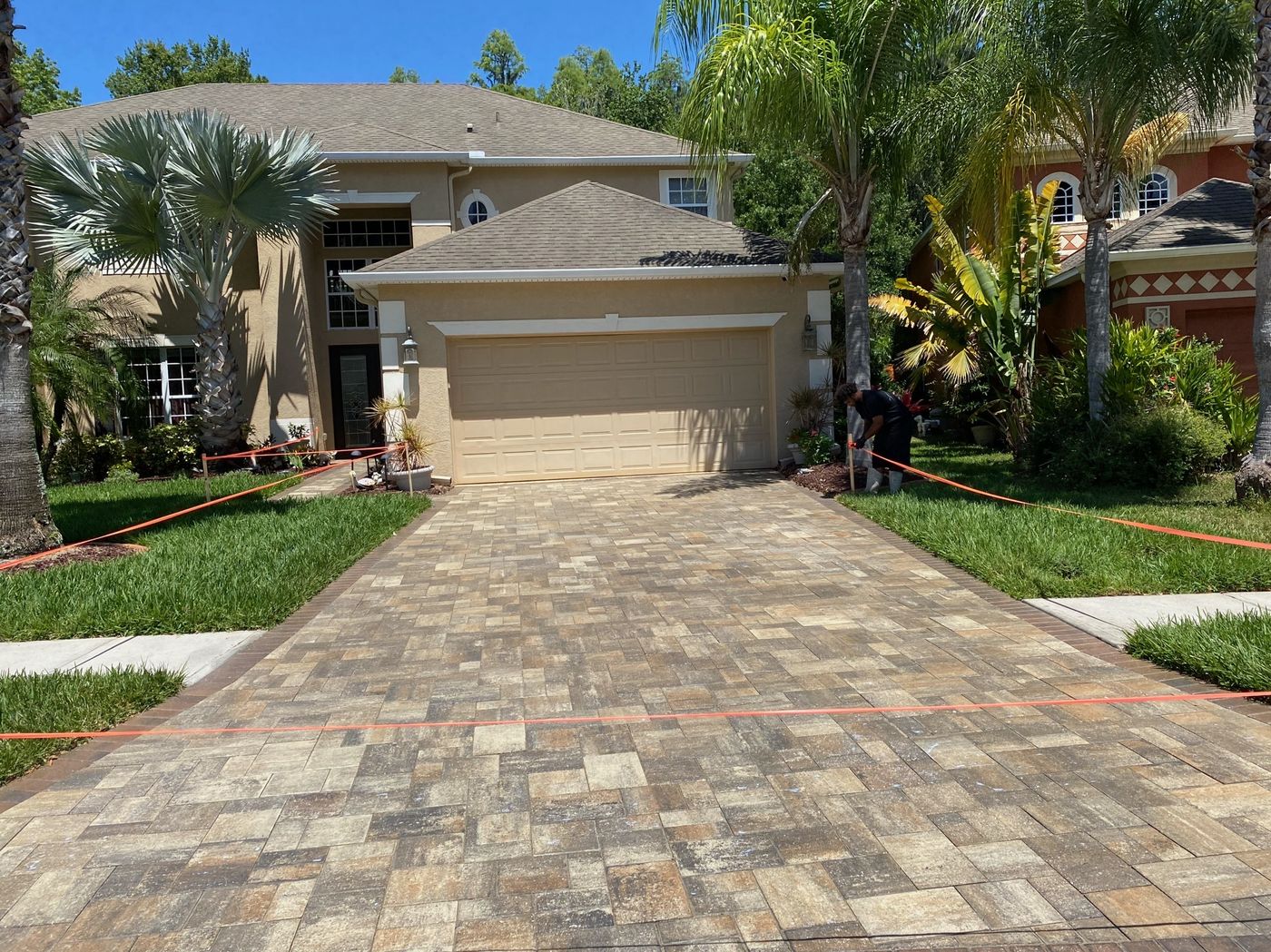
The Cost of Sealing
What a clean-and-seal really runs in Florida.
Read the guide →
How Long It Lasts
Real lifespan under Florida sun, salt, and rain.
Read the guide →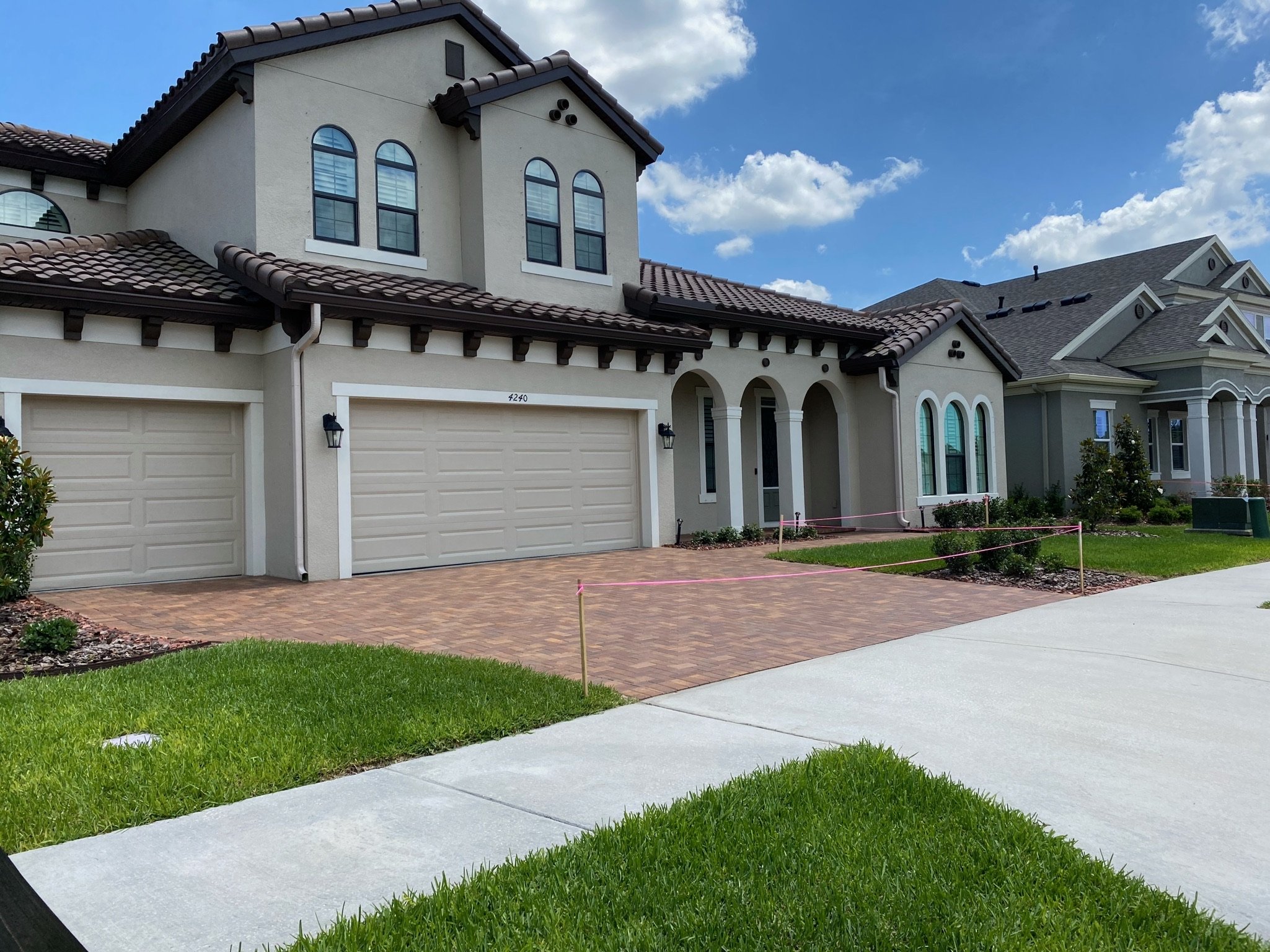
The Reseal Rule
How often to reseal, and the water-drop test.
Read the guide →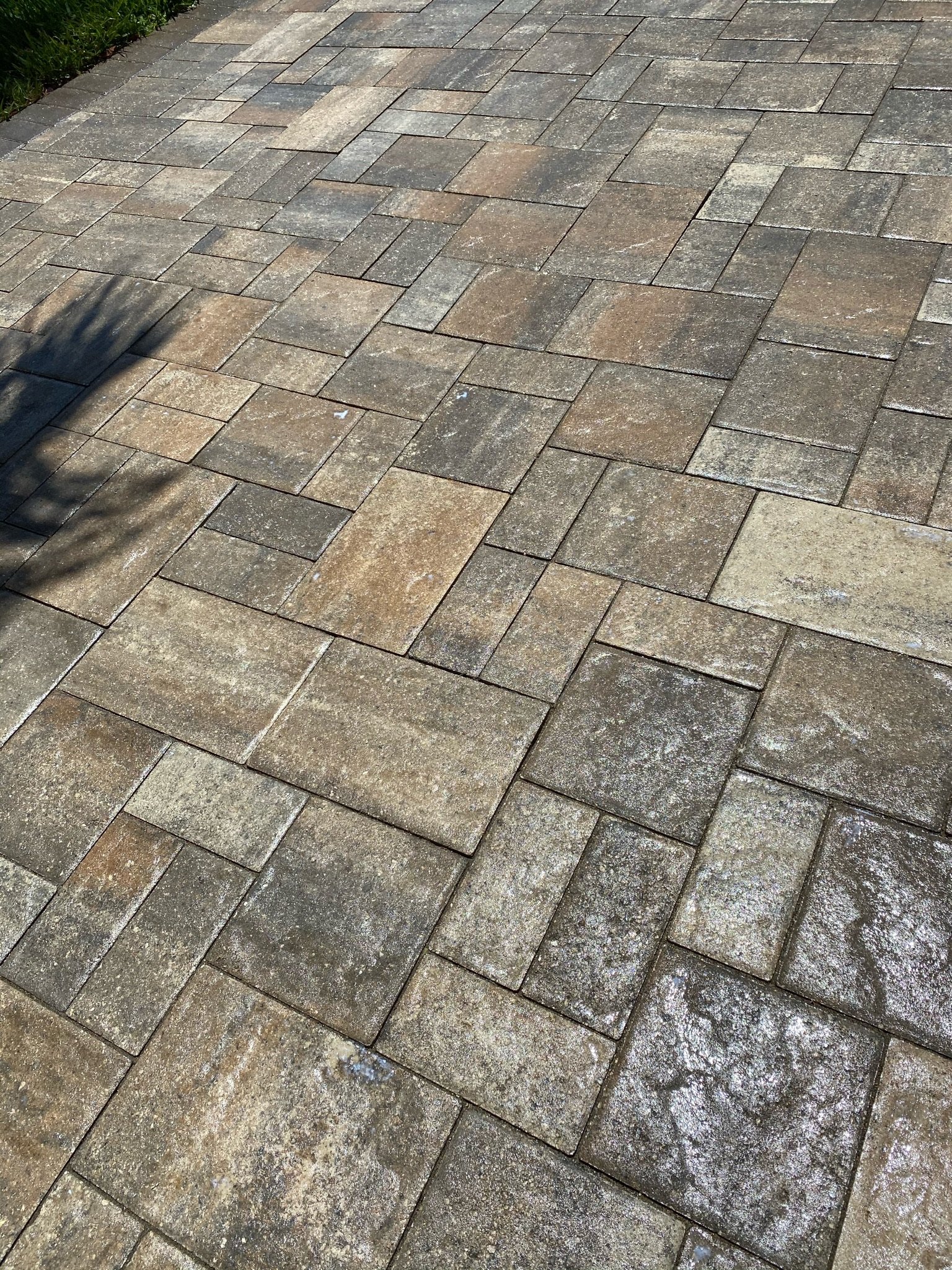
Gloss or Natural?
Wet-look vs. penetrating for pavers and travertine.
Read the guide →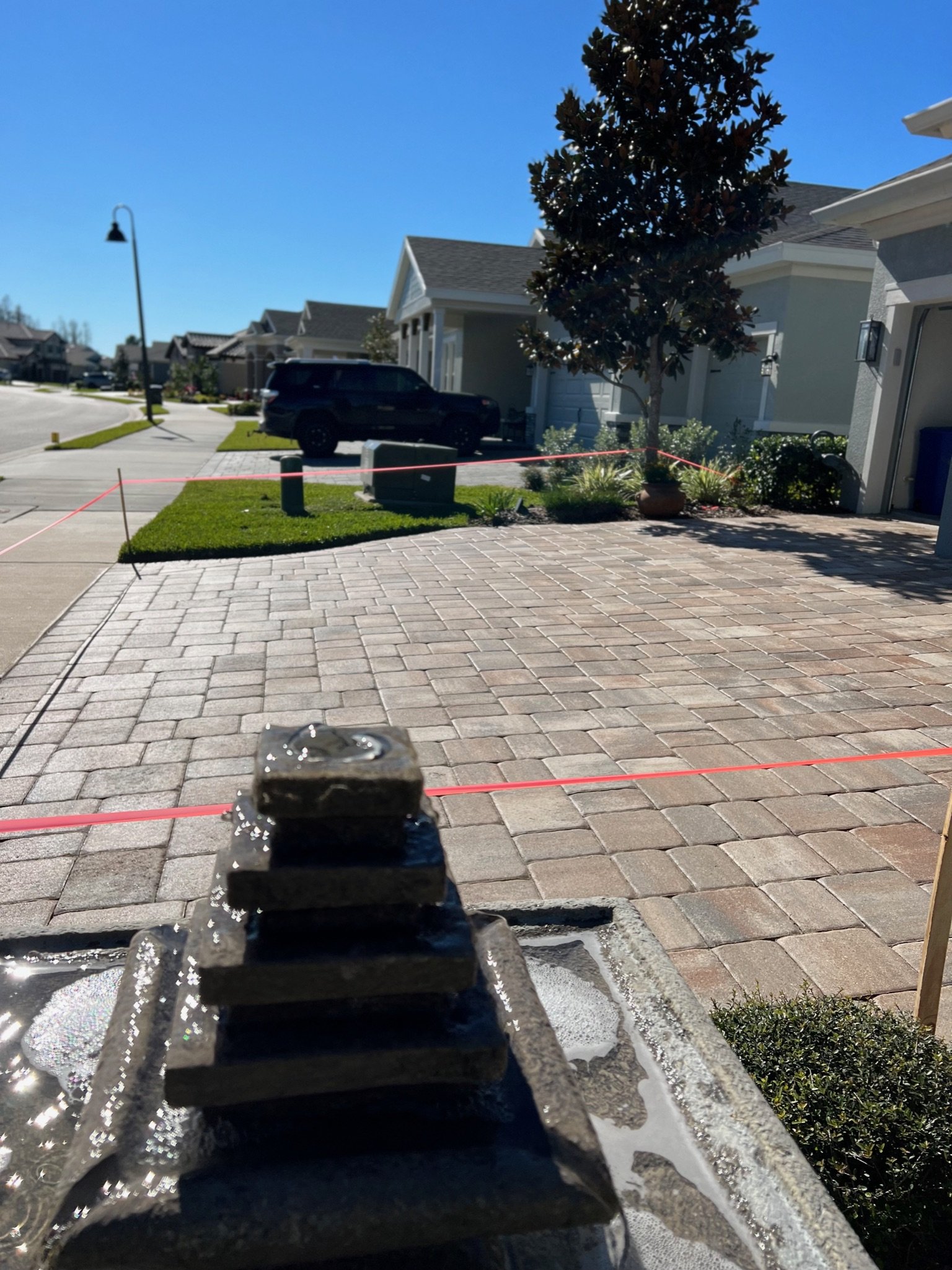
The Right Sealer
What protects Florida pavers, and what fails.
Read the guide →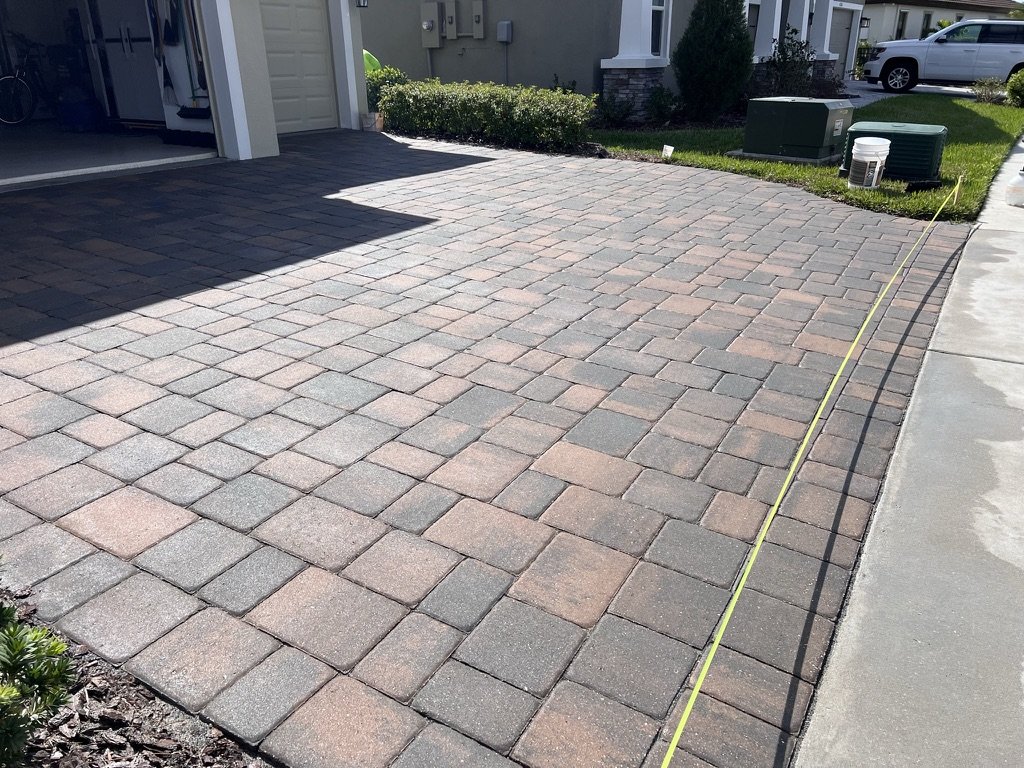
The 2026 Cost Index
Our original pricing data.
Read the guide →Cleaning & Restoration
Sealer locks in whatever is underneath it, so cleaning is the half of the job that decides the result. This edition covers what has to come off before sealing — algae and mold, the white efflorescence haze, joint weeds — and why cleaning is done by water flow rather than raw pressure. It closes with joint sand replacement, the step most often skipped and the one that most affects how the finished surface holds up.
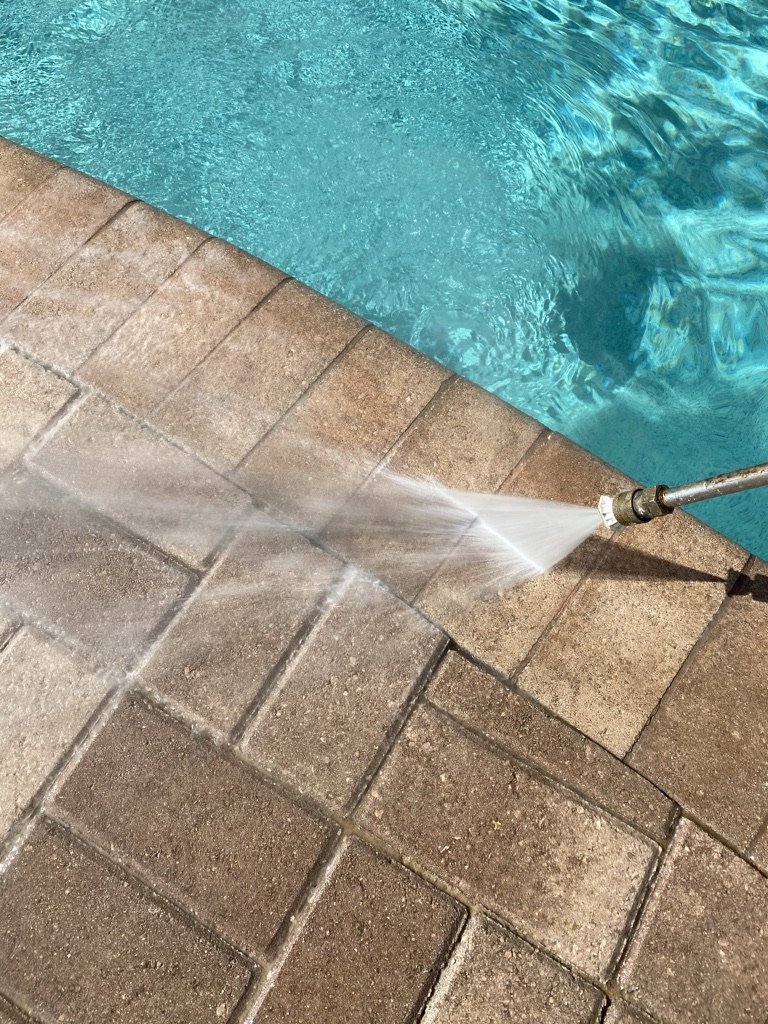
Clean Before Sealing
Flow beats pressure, and why a clean surface matters.
Read the guide →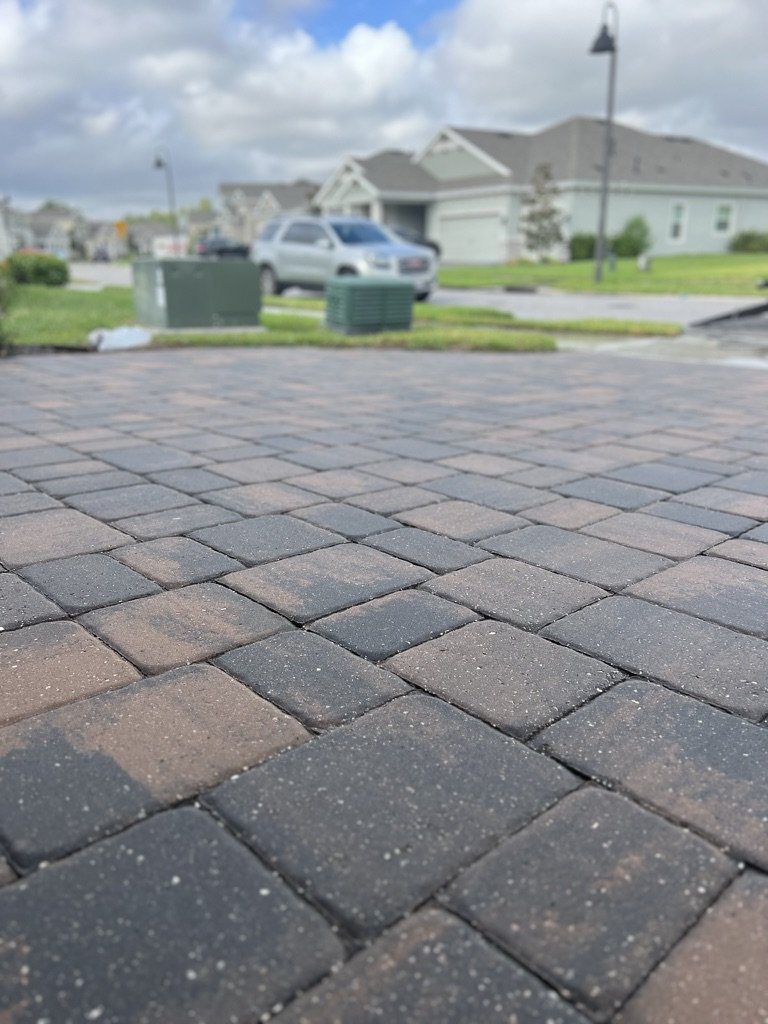
Remove Mold & Algae
The black and green is alive. Treat, rinse, seal.
Read the guide →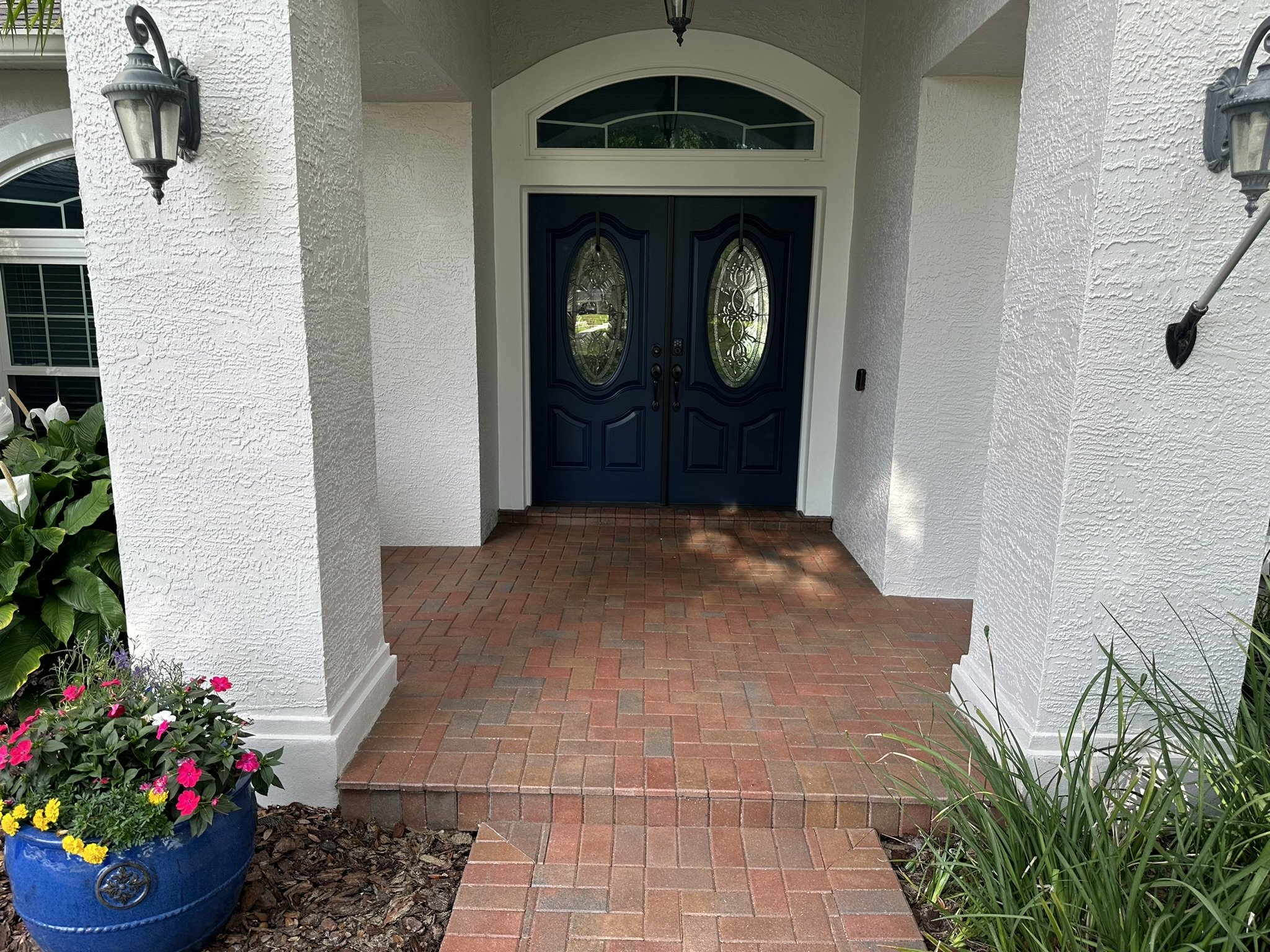
Efflorescence
The white haze: remove it acid-free.
Read the guide →
Weeds in the Joints
They root from above, not below.
Read the guide →
Re-Sanding Joints
Polymeric vs. ASTM C-144 wet-sand.
Read the guide →The Professional Difference
The honest version of DIY versus hiring out. These guides get specific about the equipment and chemistry gap: why solids content decides whether a sealer lasts nine months or three years, why GPM cleans while PSI just damages joints, and how a professional applies an even coat without the streaks and hazing that sink most homeowner attempts. Read this edition before you rent anything.
DIY vs. Pro
The honest cost comparison.
Read the guide →
GPM vs. PSI
Why flow cleans, not pressure.
Read the guide →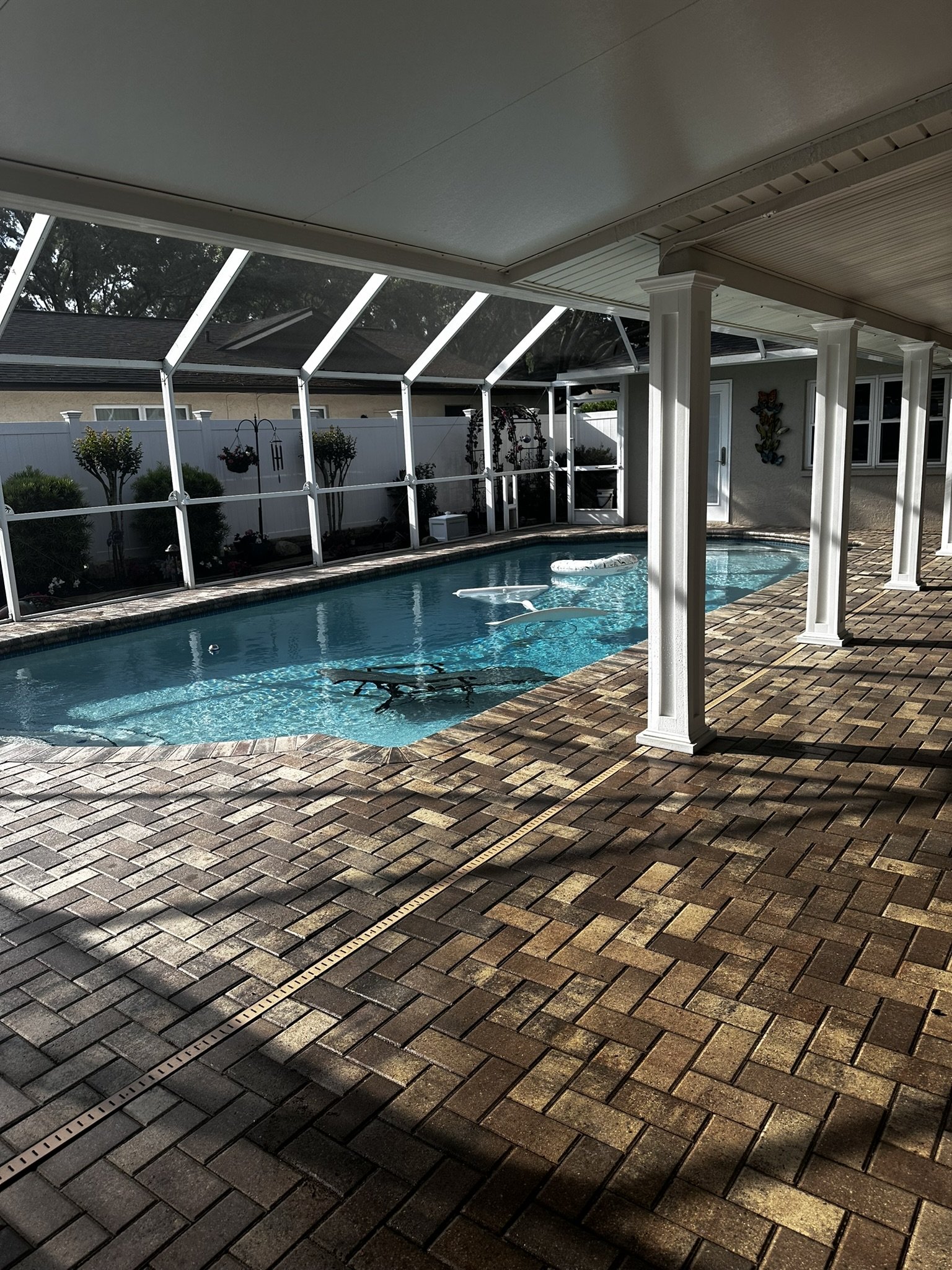
Solids Content
Why cheap sealer fails.
Read the guide →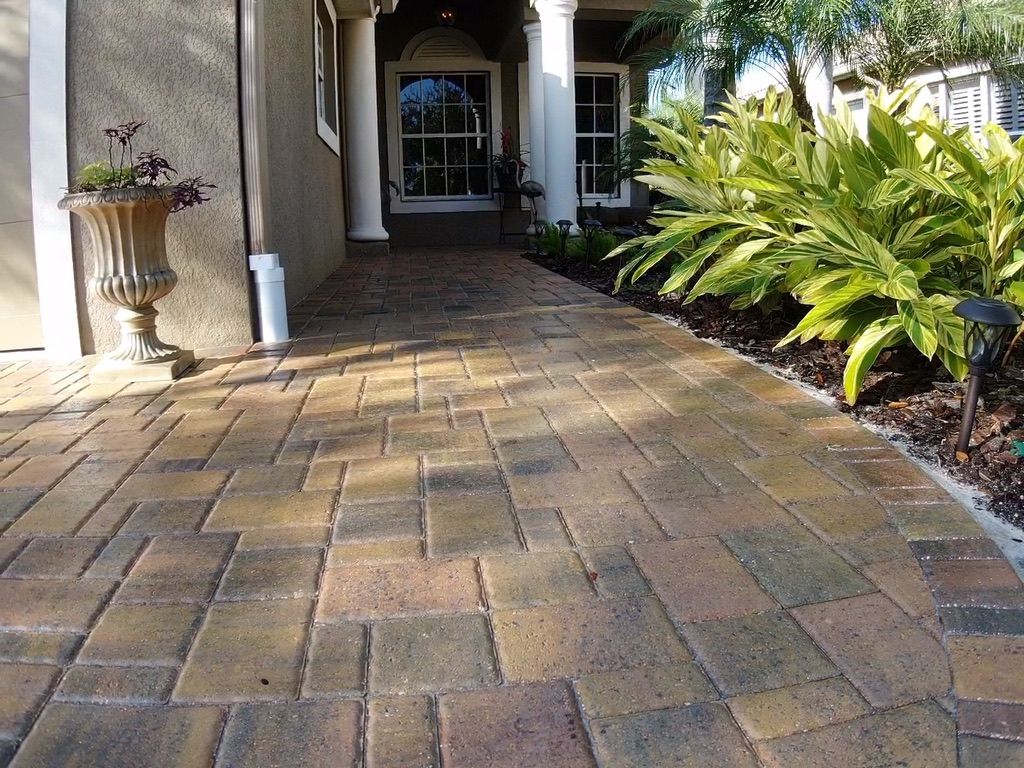
Applying Evenly
A streak-free coat, and why sprayers fail.
Read the guide →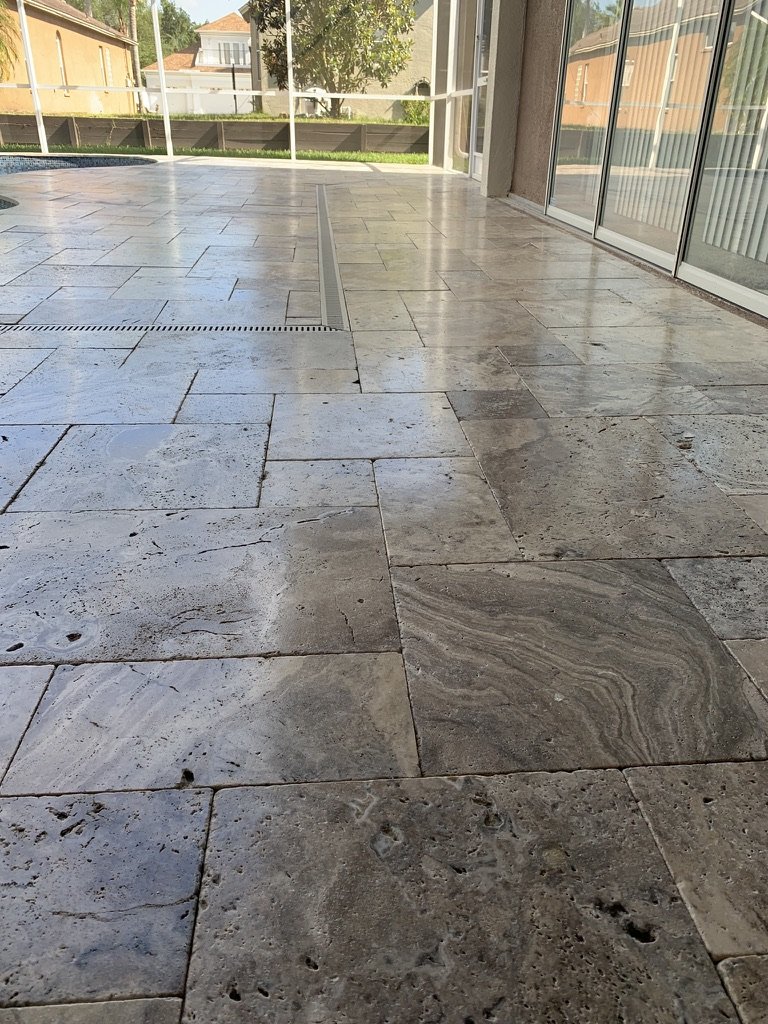
Water vs. Solvent
The choice that matters in humidity.
Read the guide →Maintenance & Care
A sealed surface isn’t finished, it’s on a maintenance schedule. This edition is the owner’s manual: the routine that keeps a sealed driveway or pool deck looking new, when brand-new pavers are ready to seal, how to safely pressure wash a surface that’s already sealed, the ten-second water-drop test that tells you when to reseal, and how to lift the three stains Florida throws at you most.
Maintain Sealed Pavers
The owner’s manual routine.
Read the guide →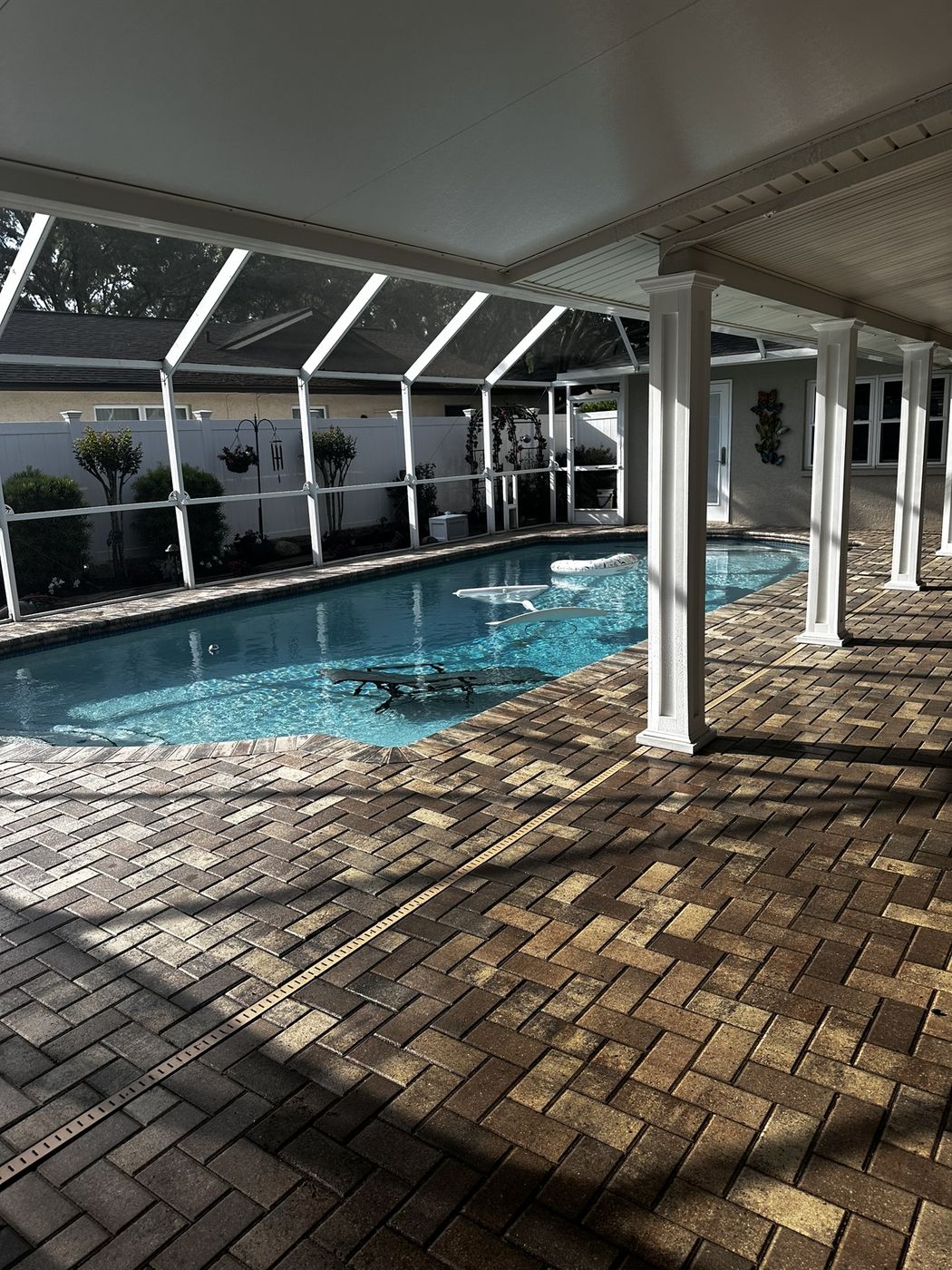
New Pavers: When to Seal
Why fresh pavers must cure first.
Read the guide →Pressure Washing
Yes, gently, not a joint-blasting nozzle.
Read the guide →The Water-Drop Test
The ten-second reseal check.
Read the guide →Oil, Rust & Leaf Stains
Lifting the three Florida stains.
Read the guide →Florida-Specific & Seasonal
Everything in this edition exists because Florida is a different job. UV, humidity, salt, chlorine, and hurricane season change what works and when you can do it. Here’s what our climate does to a sealed surface, why the dry season is the right window to seal, how pool decks and lanais need anti-slip treatment, how travertine differs from brick, and how to prepare pavers before storm season.
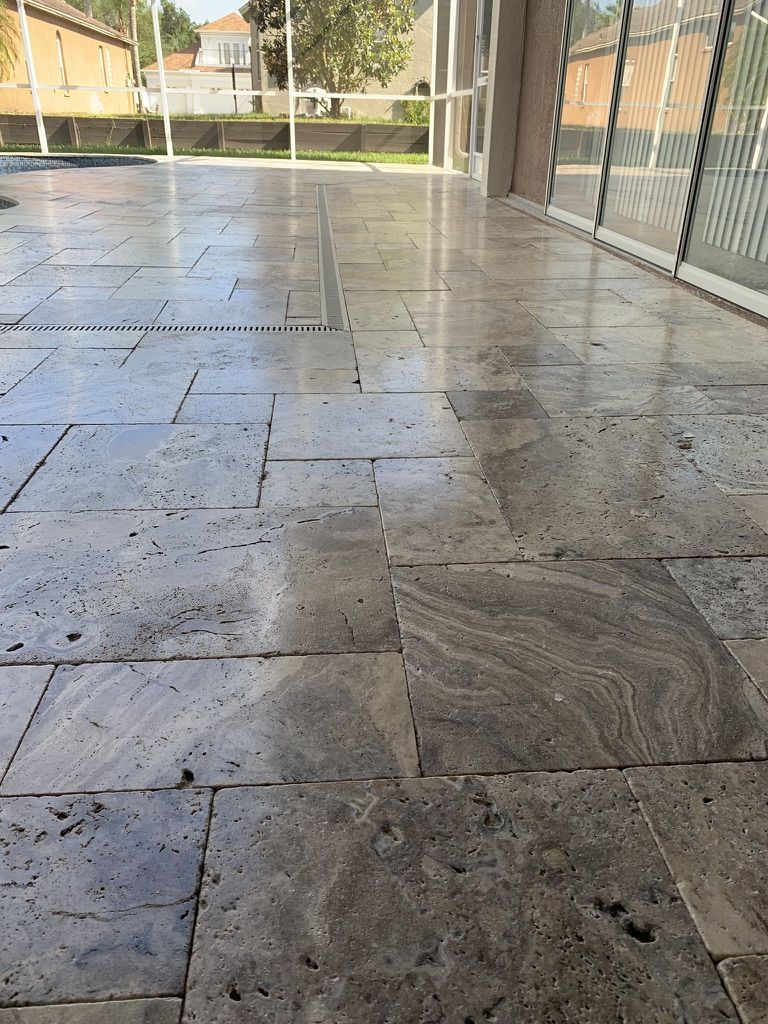
Florida’s Climate
What UV, humidity, and salt do.
Read the guide →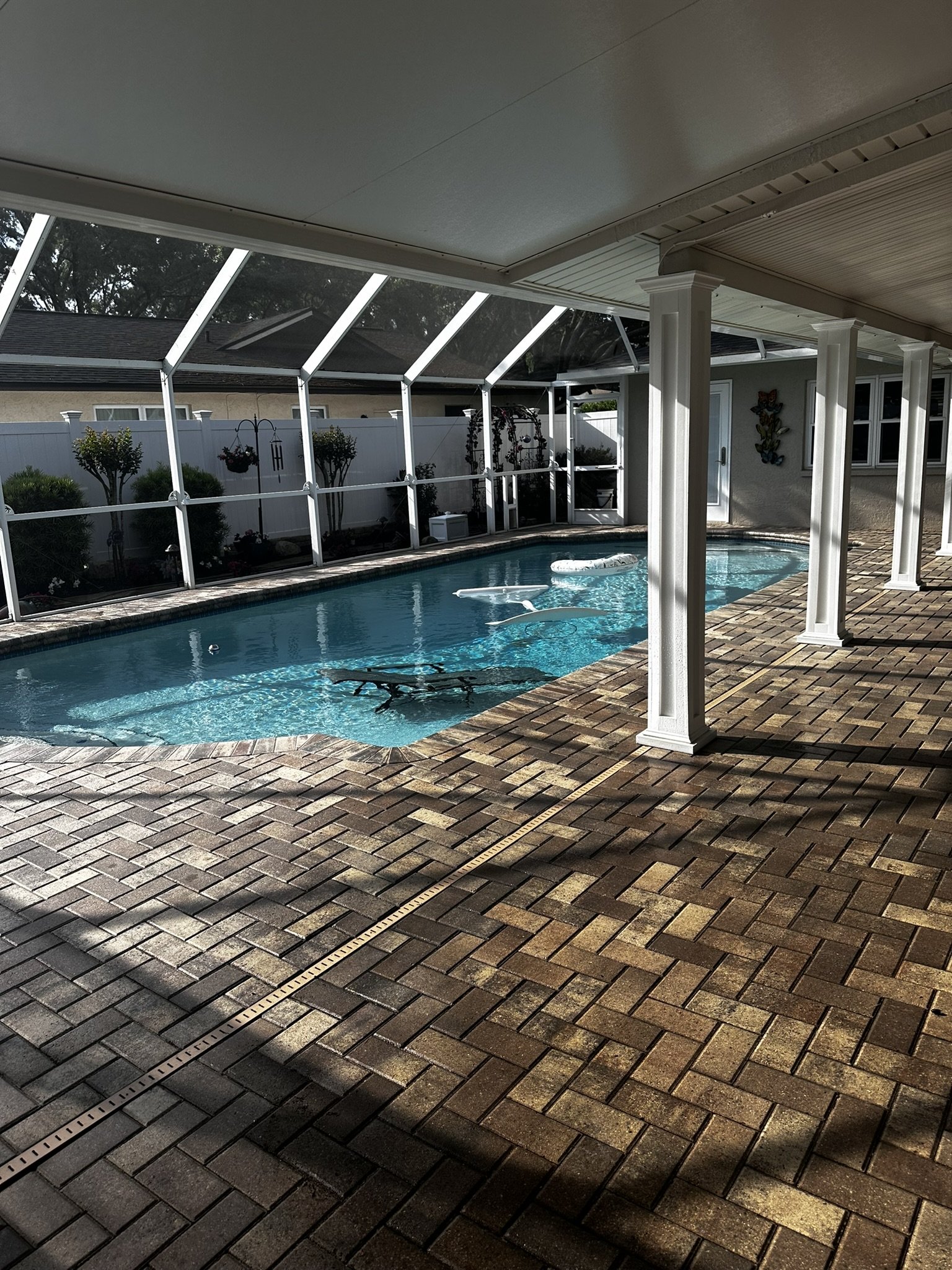
Best Time of Year
Why the dry season wins.
Read the guide →Pool Deck & Lanai
Anti-slip, salt, and chlorine.
Read the guide →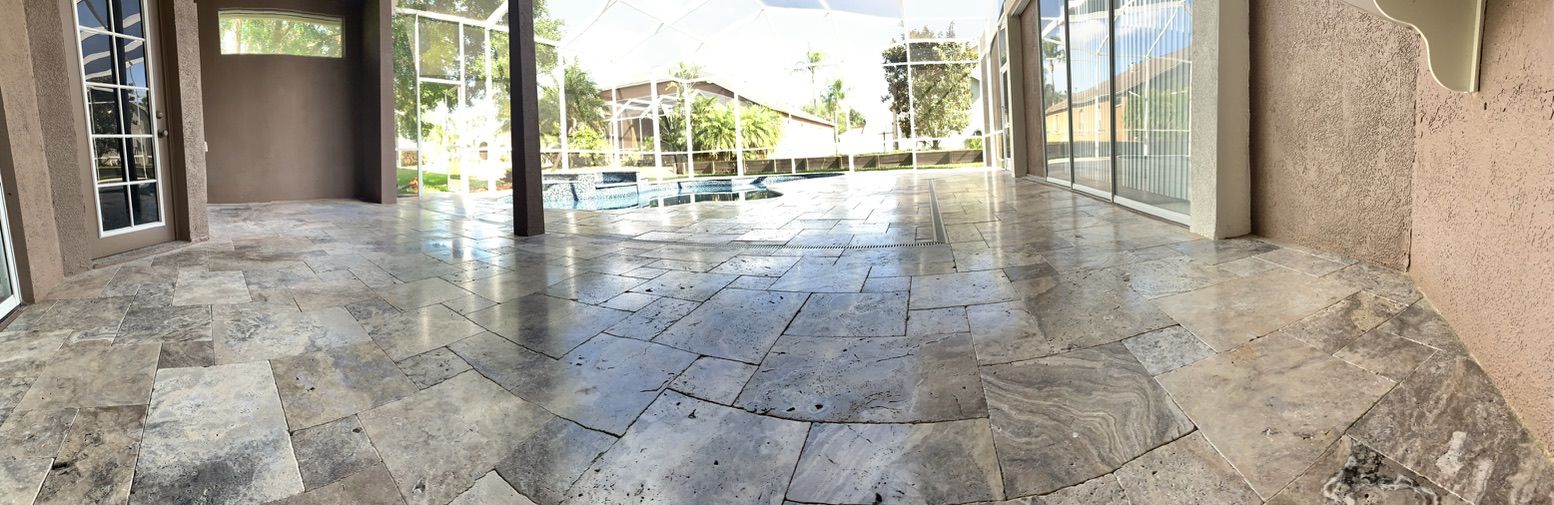
Do You Need to Seal a Travertine Pool Deck?
Usually yes — once the stone is ready.
Read the guide →Before Storm Season
Ride out hurricane season.
Read the guide →Problems & Fixes
Something went wrong. This edition diagnoses it. Hazy or cloudy finish is almost always trapped moisture. Peeling means the bond failed. White spots are either efflorescence or moisture. Hot-tire pickup shows up exactly where you park. Each guide explains the cause and whether it can be corrected or has to be stripped and redone — plus the conditions where the right move is not to seal at all that day.
Hazy or Cloudy
Almost always trapped moisture.
Read the guide →
Peeling or Flaking
A bond that failed.
Read the guide →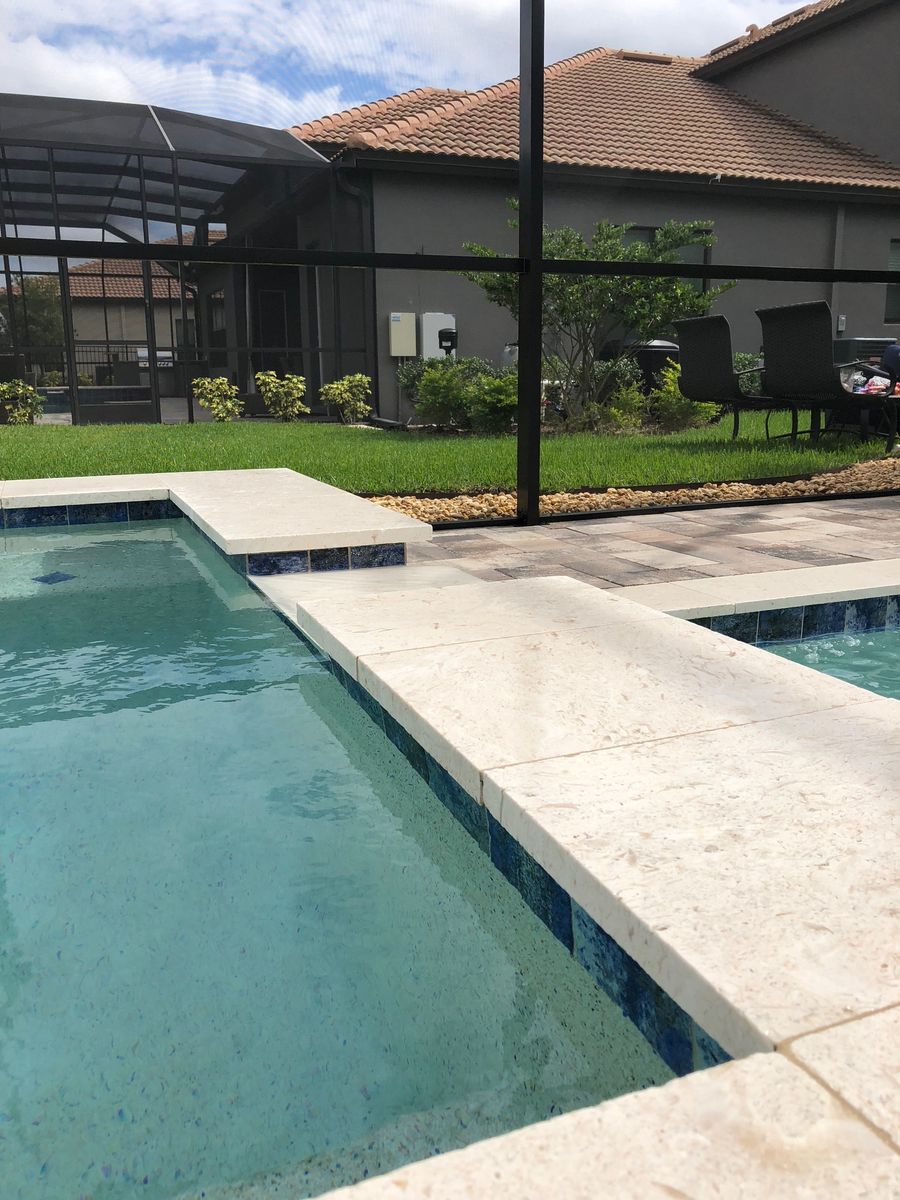
White Spots
Efflorescence or trapped moisture.
Read the guide →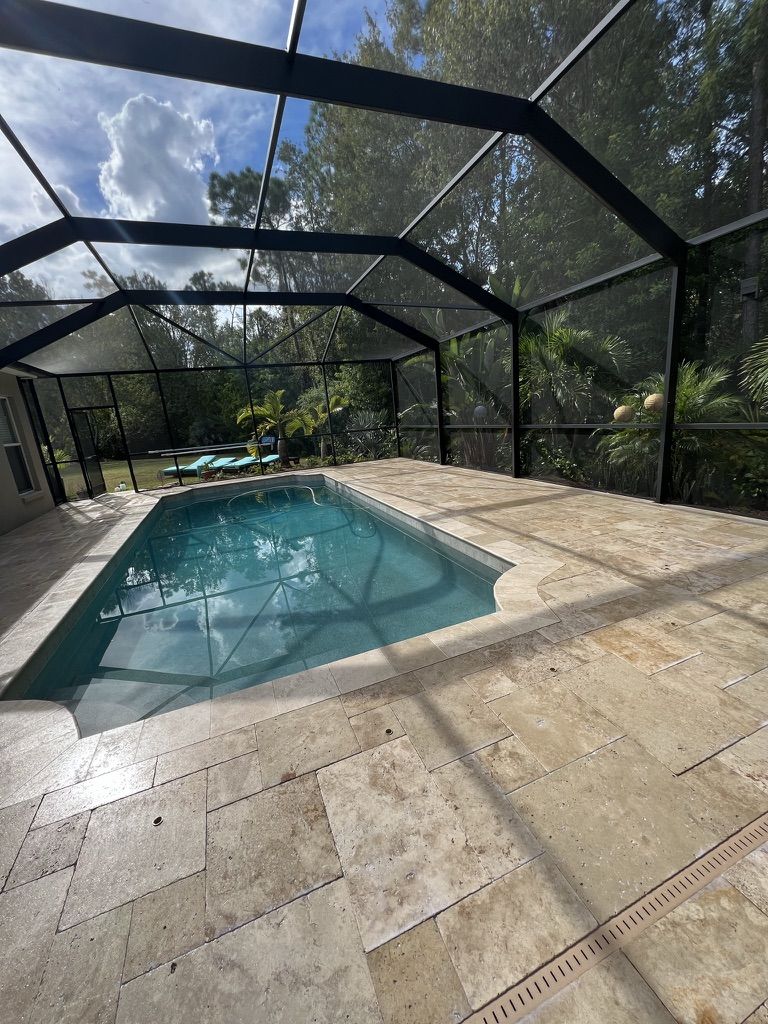
When NOT to Seal
The days you should wait.
Read the guide →Hot-Tire Pickup
Why sealer lifts where you park.
Read the guide →Finishes & Products
Appearance is a choice, and it’s reversible only at the cost of a strip-and-reseal, so it’s worth getting right the first time. This edition compares wet-look against matte, walks the gloss levels from natural to high, explains the difference between a color-enhancing and an invisible sealer, breaks down acrylic versus urethane versus penetrating chemistry, and answers plainly whether sealing changes the color of your pavers.
Wet Look vs. Matte
Which look fits your space.
Read the guide →Gloss Levels
Natural, mid, or gloss.
Read the guide →Enhancing vs. Invisible
Deepen the color, or protect with no change.
Read the guide →Sealer Types
Acrylic, urethane, penetrating.
Read the guide →Does It Change Color?
Only if you choose a finish that does.
Read the guide →